What Is Psychosocial Rehabilitation?
Psychosocial rehabilitation is a vital process that assists individuals in rebuilding the social, emotional, and practical skills essential for thriving in their communities.
This approach is particularly beneficial for those managing mental health challenges, as it emphasizes your strengths and fosters independence.
With personalized counseling, social skills training, and community involvement, psychosocial rehabilitation helps boost your confidence.
It also encourages self-determination by connecting you with valuable resources, such as employment and housing support.
If you’re on the road to recovery from mental illness, this rehabilitation can be instrumental in regaining daily functioning and rebuilding social connections.
Explore how its goals and methods can truly support your journey forward.
Key Takeaways
What makes psychosocial rehabilitation (PSR) essential is its focus on helping you rebuild social, emotional, and functional skills to thrive in your community.
PSR supports your mental health by using evidence-based practices tailored to your unique needs, promoting recovery and community integration.
PSR uses personalized, evidence-based methods to enhance recovery and help you reconnect with your community.
It helps you develop vital life skills like employment, education, leisure, and daily living, empowering you to participate fully in meaningful activities.
This strengths-based, person-centered approach ensures you’re an active partner in your journey to independent living.
By connecting you to community resources and focusing on your goals, psychosocial rehabilitation guides you toward a fulfilling life beyond mental health challenges.
Ultimately, PSR equips you with the tools to regain control and enjoy lasting recovery within your community.
History of Psychosocial Rehabilitation
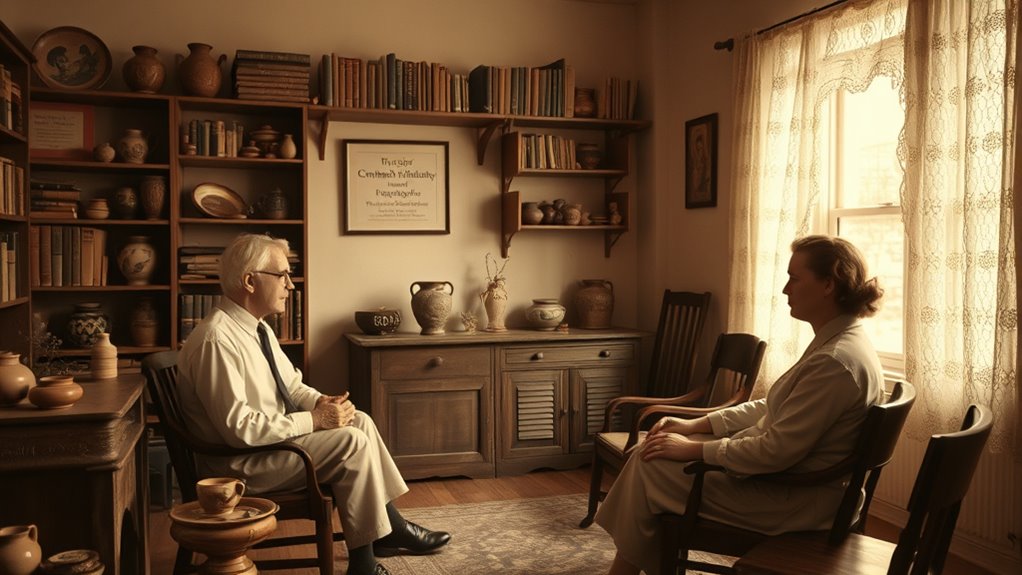
Understanding how psychosocial rehabilitation (PSR) developed helps you appreciate its focus on community and recovery today.
PSR emerged during the 1960s and 1970s as deinstitutionalization shifted mental health care from hospitals to community-based care. This change aimed to support mental health recovery by helping you live independently and engage in social participation.
The recovery model, viewing recovery as an ongoing process, became central to PSR’s approach. You’ll see person-centered, strengths-based methods focusing on your unique needs and abilities.
The Clubhouse model exemplifies this by fostering community involvement and meaningful roles.
Goals of Psychosocial Rehabilitation
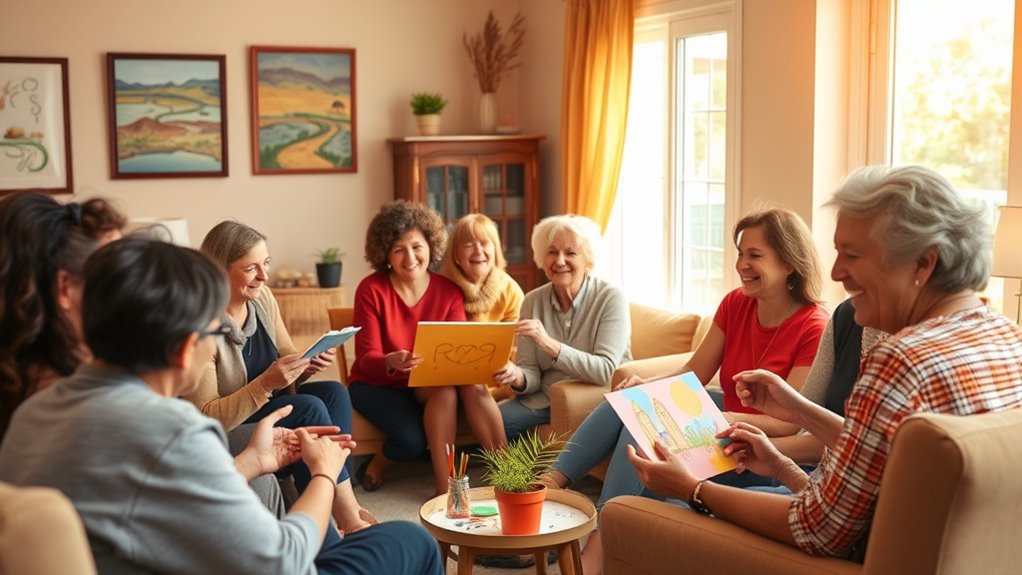
You’ll find that psychosocial rehabilitation focuses on empowering you to regain independence and build essential life skills.
It’s designed to help you develop abilities that support daily living and social interaction.
Ultimately, it encourages your full integration into the community by fostering connections and support.
Empowerment and Independence
Psychosocial rehabilitation focuses on empowering you to gain the skills needed for independence and active community involvement.
It supports your recovery by promoting self-determination and boosting self-efficacy, helping you take charge of your life.
This process encourages independence through practical skill-building and meaningful community participation.
You’ll set personal goals that reflect your values and aspirations, guiding your journey toward a self-directed life.
Key aspects include:
- Developing confidence to manage daily tasks independently.
- Enhancing your ability to engage socially and professionally.
- Encouraging active participation in community life.
- Fostering a sense of empowerment and ownership over your recovery.
Skill Development Focus
How can developing practical skills transform your path to independence?
Psychosocial rehabilitation focuses on building the skills needed to live confidently and self-sufficiently. Through targeted training, you’ll develop essential life skills like budgeting, cooking, and job readiness.
Social skills training plays a vital role by enhancing your interpersonal interactions, helping you form meaningful relationships.
Setting personal recovery objectives guides your progress, ensuring you work toward goals tailored to your needs.
This skill development prepares you for active community participation, equipping you to navigate daily challenges effectively.
Community Integration Support
Building practical skills sets the stage for reconnecting with your community in meaningful ways.
Community integration support focuses on helping you engage across various life domains by promoting social participation and access to community resources.
This support boosts your recovery and reintegration by encouraging active participation in community activities and relationships.
Through community-based support, you build self-esteem and independence, reducing stigma and enhancing your quality of life.
Key goals include:
- Increasing your social participation and meaningful roles.
- Connecting you with local community resources for ongoing support.
- Supporting stable housing and employment to secure your place in the community.
- Encouraging involvement in diverse life domains for balanced growth.
This approach ensures you’re empowered to thrive within your community and maintain lasting recovery.
Principles of Psychosocial Rehabilitation
Although challenges may arise, focusing on your strengths can transform the recovery journey.
Psychosocial rehabilitation rests on a strengths-based approach that highlights what you can do rather than your limitations.
It respects your personal choice and self-determination, empowering you to shape your own goals.
Through collaborative planning, you’ll engage in individualized planning tailored to your unique preferences and needs.
The approach embraces holistic care, addressing your physical, social, and psychological well-being to foster resilience.
Additionally, community integration plays a key role, encouraging your participation in meaningful social, vocational, and daily activities.
Who Can Benefit From Psychosocial Rehabilitation?
By focusing on your strengths and personal goals, psychosocial rehabilitation offers valuable support to a wide range of people.
If you’re managing a mental health condition, these rehabilitation services can help individuals like you build the skills they need to improve daily life and rejoin the community.
People with mental illness often find PSR especially useful after treatment or hospitalization.
You can benefit from psychosocial rehabilitation if you:
- Are recovering from severe or chronic mental health conditions.
- Need help regaining daily living and social skills.
- Face challenges with employment, housing, or community involvement.
- Want to develop coping strategies and access community resources.
This approach aims to support you in living independently and leading a fulfilling life.
Approaches Used in Psychosocial Rehabilitation
When you engage in psychosocial rehabilitation, you’ll find that it uses proven methods like supported employment and social skills training to help you regain independence and improve your daily life.
This approach focuses on strengths-based strategies, helping you rediscover your abilities while connecting you to community resources that fit your goals.
Programs often take place in natural settings such as your workplace or home, making skill-building practical and relevant.
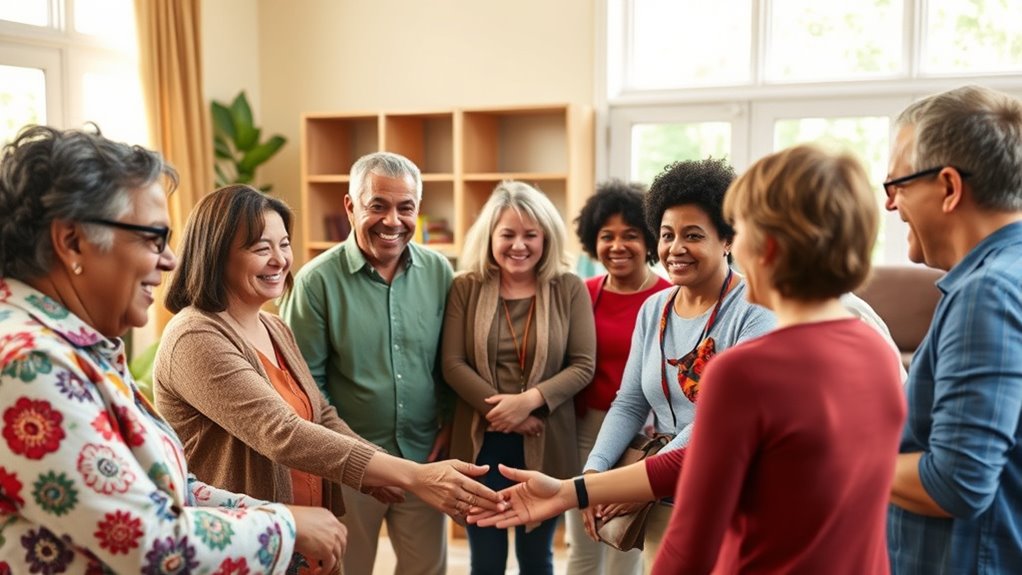
Wellness programs support your overall health, while peer support offers encouragement from others who understand your journey.
By combining these evidence-based strategies, psychosocial rehabilitation creates a supportive environment that fosters social connections and real-world success.
This helps you improve your life skills and participate more fully in your community.
Psychosocial Rehabilitation Activities
Since psychosocial rehabilitation aims to help you regain independence, it includes a variety of activities that build practical skills in living, social interaction, employment, education, recreation, health, and wellness.
These rehabilitation activities focus on enhancing your recovery through targeted skills training and boosting emotional well-being.
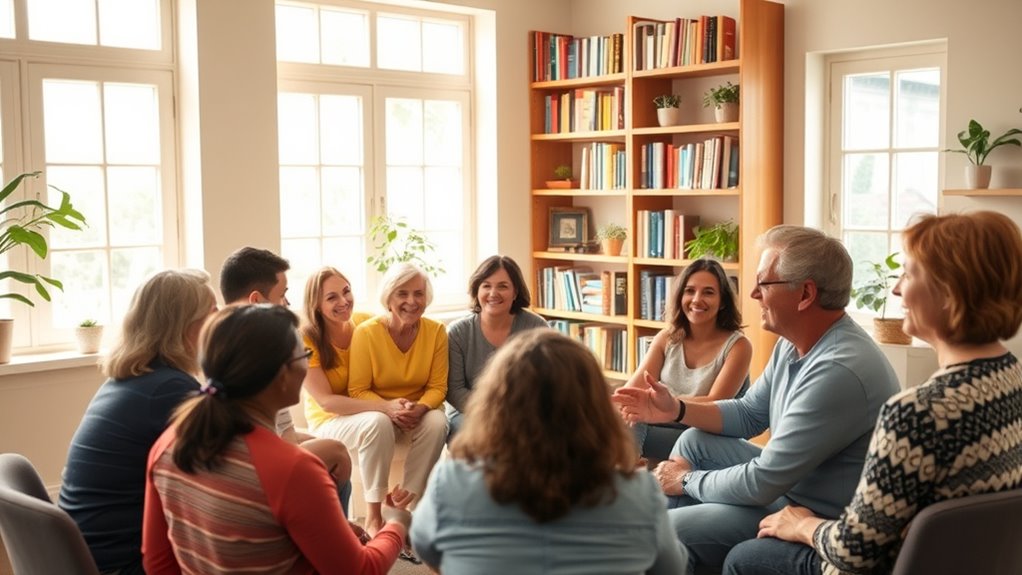
You’ll often engage in group sessions that improve social skills and encourage community participation.
Here are some key activities you might encounter:
- Vocational assistance with job applications and interview practice.
- Social and life skills training in group settings.
- Wellness activities like yoga and laughter therapy to reduce stress.
- Personalized counseling and resource linkage to support overall functioning.
Effectiveness of Psychosocial Rehabilitation
How well does psychosocial rehabilitation work for those facing severe mental health challenges?
You’ll find that evidence-based practices in a supportive environment notably boost social functioning and community integration.
Vocational training within these programs improves job retention and enhances your quality of life.
Combining psychosocial approaches with medication leads to better recovery outcomes, fostering autonomy and self-esteem.
| Benefit | Impact on You |
|---|---|
| Social functioning | Connects you to others |
| Community integration | Builds a sense of belonging |
| Vocational training | Opens job opportunities |
| Quality of life | Increases happiness and health |
| Recovery outcomes | Promotes lasting mental wellness |
These positive functional gains show how psychosocial rehabilitation truly supports your mental health journey.
Frequently Asked Questions
What Are the Examples of Psychosocial Treatment?
You can try psychotherapy, psychoeducation, support groups, or psychosocial rehabilitation programs.
These treatments help you manage emotions, learn about mental health,
connect with others, and build skills for independent living and social involvement.
What Are the Examples of Psychosocial Rehabilitation Services?
Psychosocial rehabilitation services, like a toolbox for life, include social skills training, vocational support, and community integration.
They also offer daily living skills coaching, psychoeducation, and support groups.
In addition, there’s peer support and therapeutic activities like group therapy and counseling to help you thrive.
What Are the Principles of Psychosocial Rehab?
You focus on your strengths, make personal choices, and work collaboratively.
You get support in real-life settings, involve family and peers, and access community resources—all to help you recover and thrive in your environment.
What Does Psychosocial Mean in Simple Terms?
Psychosocial means how your thoughts, feelings, and actions are shaped by your relationships and social environment.
It shows that your mental health isn’t just about biology but also about how you connect with others around you.
Conclusion
Think of psychosocial rehabilitation as a garden where you’re both the gardener and the seed.
By nurturing your mind and spirit with care and patience, you’ll watch resilience bloom and new strengths take root.
Just like tending to soil, it takes time and effort.
But with the right support, you’ll grow beyond challenges, flourishing in ways you never imagined.
This journey isn’t just about healing—it’s about reclaiming your garden of life.
—
In conclusion, psychosocial rehabilitation is a vital process that encourages personal growth and resilience.
As you nurture your mental and emotional well-being, you’ll uncover new strengths and capabilities.
With time and the right support, you can transform your challenges into opportunities for flourishing.
This journey is not just about recovery; it’s about cultivating a fulfilling life and reclaiming your sense of self.
Embrace the process, and watch your own garden of life thrive.