

How to Understand and Use a Passive Disabling Device
You can understand a passive disabling device as a built-in security tool that automatically prevents your vehicle from starting without your action.
These devices use key authentication methods like transponder chips or RFID to confirm that you’re authorized to start the vehicle.
When the car’s off or locked, they disable critical parts like the engine or ignition.
What’s great about these devices is that they activate quickly and work seamlessly, significantly reducing the risk of theft.
If you’re interested in enhancing your vehicle’s security even further, it’s worth exploring how these systems integrate with proactive measures.
Combining passive and active security features can provide a more robust defense against potential theft.
What Is a Passive Disabling Device?
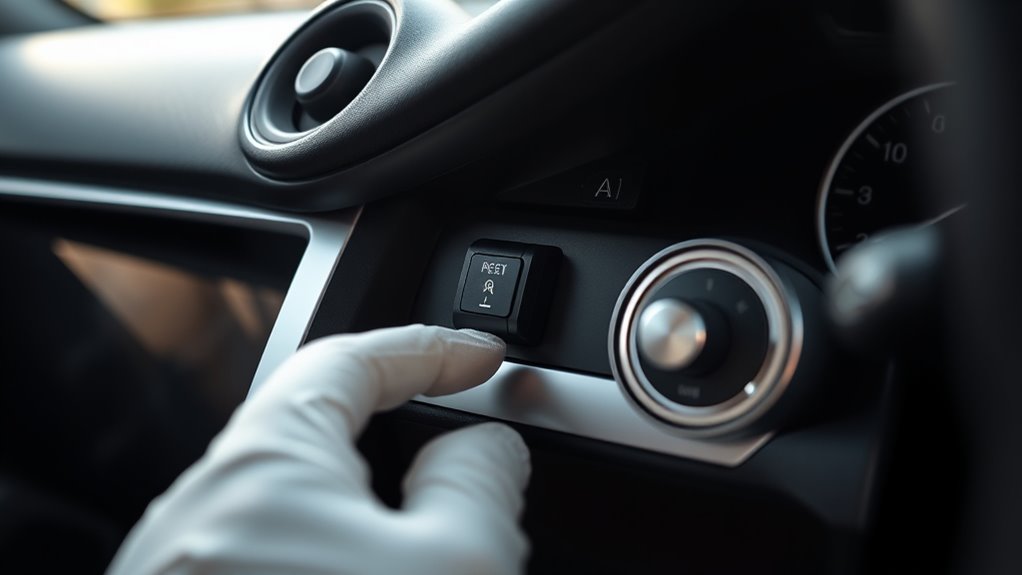
A passive disabling device automatically protects your vehicle by disabling key systems like the engine or ignition as soon as you turn off or lock it.
You don’t have to do anything extra—this security feature activates on its own, providing seamless protection.
These devices use immobilizers or integrated factory security systems to prevent unauthorized starting, effectively blocking fuel supply or ignition circuits.
They prevent unauthorized starts by blocking the fuel supply or ignition through immobilizers and factory security systems.
Because they engage passively, you won’t need to remember to switch them on or off; they work continuously in the background.
By relying on passive disabling devices, you enhance your vehicle’s security without added effort, minimizing theft risks.
Understanding this automatic defense helps you appreciate how modern immobilizers contribute to keeping your vehicle safe whenever it’s unattended.
How Passive Disabling Devices Operate Automatically
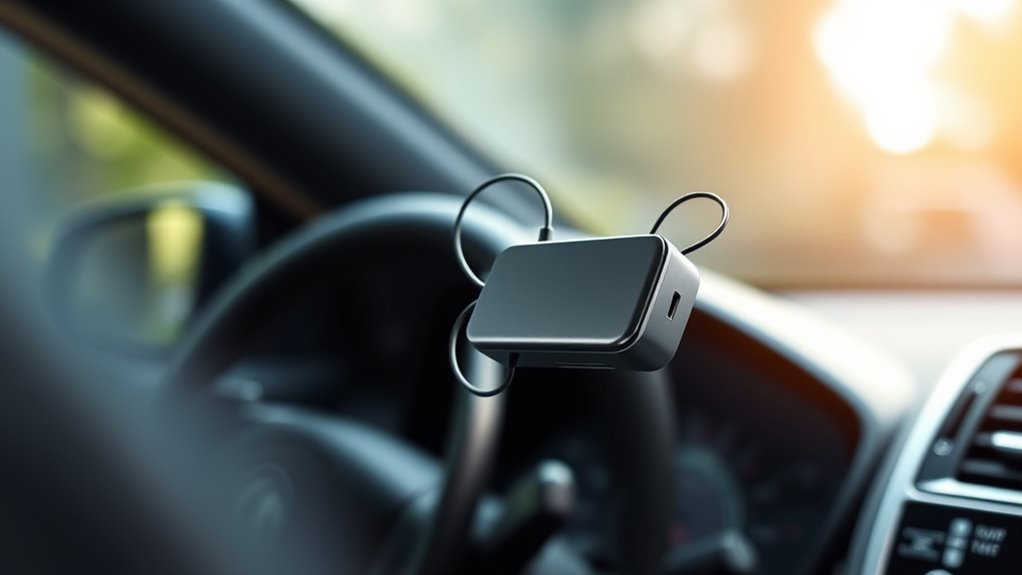
When you turn off your vehicle, the passive disabling device activates automatically, usually within a few minutes.
It uses key authentication methods like transponder chips to recognize if the correct key is present.
Automatic Activation Process
Although you might not notice it, passive disabling devices start working automatically the moment you turn off your vehicle and remove the ignition key.
This automatic activation enhances vehicle security by engaging without any action needed from you.
The system’s sensors detect critical events such as door closure or key removal, triggering the disabling mechanism.
Typically, these devices:
- Cut power to essential components like the fuel pump or ignition system.
- Activate within 30 seconds to a few minutes after you lock or exit the vehicle.
- Remain engaged until the correct key or authentication method disarms the system.
Key Authentication Methods
Once your vehicle’s passive disabling device activates, it relies on key authentication methods to recognize authorized users and allow engine start.
Transponder keys play a crucial role by sending encrypted signals to the vehicle’s ECU, which verifies the code before ignition.
Similarly, RFID tags work passively, enabling the system to detect your key fob when it’s nearby, disarming the immobilizer automatically.
Many vehicles also incorporate biometric authentication, like fingerprint scanners or facial recognition, to ensure only trusted users can operate the car.
These methods work together seamlessly, using embedded microchips and proximity sensors to authenticate you without any extra steps.
Circuit Disruption Mechanism
Because your vehicle’s passive disabling device activates shortly after you turn off the ignition and remove the key, it automatically interrupts key electrical circuits like the ignition, fuel pump, or starter motor.
This circuit disruption happens seamlessly, enhancing your vehicle’s security system without any action needed on your part.
The device employs electronic relays or microprocessors to disconnect power, preventing unauthorized engine starts.
When it detects the authorized key or token, it restores power instantly.
Here’s how it works:
- Activates within 30 seconds to a few minutes after key removal
- Uses electronic relays to cut off essential electrical circuits
- Restores circuits only upon proper authentication
This automatic operation ensures your vehicle remains secure even when unattended.
Common Types of Passive Disabling Devices

You’ll find several common passive disabling devices designed to protect your vehicle automatically.
These include immobilizers and kill switches that cut off fuel or starter circuits, as well as smart key technologies that use coded signals to control access.
Understanding how each type works helps you choose the right protection for your needs.
Immobilizers and Kill Switches
How do immobilizers and kill switches protect your vehicle from unauthorized use?
Immobilizers work by using transponder chips in your key that communicate with the vehicle’s ECU.
This prevents the engine from starting without the correct signal.
Kill switches, on the other hand, are hidden manual switches that interrupt crucial electrical circuits, disabling key systems like the starter.
Both are essential for vehicle security and act as passive disabling devices.
Here’s what you should know about them:
- Immobilizers automatically engage when you turn off your vehicle and remove the key.
- Kill switches are concealed in discreet spots, such as under the dashboard or inside door panels.
Both devices work together to prevent unauthorized operation, enhancing your vehicle’s protection effectively.
Using immobilizers and kill switches strengthens your vehicle security against theft.
Fuel and Starter Cutoffs
Alongside immobilizers and kill switches, fuel and starter cutoffs offer another layer of protection by disabling key components that keep your engine running.
A fuel cutoff system stops the fuel pump or injection, preventing your engine from starting or running once the vehicle’s locked or off.
Meanwhile, a starter cutoff interrupts the electrical circuit to the starter motor. So without proper authentication, you can’t turn over the engine.
These passive disabling devices activate automatically after you turn off the ignition and remove the key, typically within minutes.
Hidden relays or switches are integrated into your vehicle’s wiring, making them tough for thieves to detect or bypass.
Proper installation and upkeep of fuel and starter cutoffs can reduce theft risk by up to 98%.
Smart Key Technologies
When your key fob comes within a few feet of your vehicle, smart key technologies use encrypted wireless signals to automatically authenticate you and enable essential functions.
These passive disabling systems rely on proximity sensors and secure communication protocols like NFC or RFID to prevent unauthorized access.
You’ll find that smart key technologies offer seamless control over your vehicle’s security features, including:
- Automatic door locking and unlocking as you approach or leave.
- Immobilizer activation ensuring only your paired key can start the engine.
- Advanced options like remote start and geofencing for added convenience.
It’s pretty cool how technology makes things easier and more secure!
Real-World Applications of Passive Disabling Devices
Where do passive disabling devices prove most effective in everyday settings?
You’ll find them vital in preventing vehicle theft across various scenarios.
Delivery fleets use passive disabling to secure vehicles during multi-stop routes when drivers leave vehicles unattended.
Rental car companies rely on these security measures to protect large fleets parked in idle lots, reducing theft risks considerably.
Auto dealerships implement passive disabling systems overnight to safeguard display and overflow vehicles from unauthorized access.
Insurance providers often require these devices for commercial fleet coverage, recognizing their effectiveness in theft prevention.
By integrating passive disabling devices into your security strategy, you strengthen your defense against vehicle theft without needing active intervention.
This makes them an essential tool in everyday vehicle security.
Limitations and Vulnerabilities of Passive Disabling Devices
While passive disabling devices offer valuable protection in many everyday situations, they aren’t foolproof.
You should be aware that sophisticated thieves can exploit several vulnerabilities to bypass these systems.
For example, relay attacks allow criminals to clone your key fob signals, making the device ineffective.
Additionally, many passive devices don’t detect or prevent advanced hacking techniques such as CAN Bus spoofing or signal jamming.
Furthermore, these devices usually activate only after a breach, providing limited real-time deterrence during an ongoing theft attempt.
Keep in mind these key limitations:
- Vulnerability to relay attacks that clone signals
- Susceptibility to signal jamming and CAN Bus spoofing
- Activation delay reduces immediate theft prevention
Understanding these weaknesses helps you use passive disabling devices more effectively.
Enhancing Security With Proactive Measures
Although passive disabling devices provide a solid foundation, you can greatly enhance your vehicle’s security by incorporating proactive measures like AI-driven threat detection and real-time alerts.
These technologies monitor your vehicle 24/7 through U.S.-based security centers, enabling immediate response to suspicious activity.
Verified police dispatch occurs within about 82 seconds, improving crime resolution and deterring thieves.
Proactive measures also include live voice-down warnings that signal active monitoring, increasing the chances of catching intruders.
By layering passive disabling with these proactive strategies, you markedly reduce theft risk—often by over 50%—and protect your assets more effectively.
Embracing this combined approach ensures your vehicle security stays ahead of potential threats, giving you peace of mind and substantial cost savings annually.
Best Practices for Installation and Maintenance
Pairing passive disabling devices with proactive security measures considerably boosts your vehicle’s protection.
But maintaining that security means paying close attention to installation and upkeep. For optimal results, ensure compatibility by verifying your device matches your vehicle’s make and model before installation.
Always rely on a professional for installation to guarantee proper concealment and seamless integration with your system. Consistent maintenance is crucial to keep the immobilizer and components functioning efficiently.
Focus on these best practices:
- Confirm compatibility to avoid functional issues.
- Schedule regular maintenance checks to detect and fix problems early.
- Keep software updated and use backup deactivation methods to prevent lockouts.
Frequently Asked Questions
How Does a Passive Disabling Device Work?
A passive disabling device automatically stops your car from starting by cutting power to key systems after you turn it off and remove the key.
It only lets your authorized key reactivate the vehicle.
This prevents theft without your intervention.
Are Passive Disabling Devices Easy to Use?
You’ll think using a passive disabling device is as simple as breathing!
It activates automatically, so you don’t have to lift a finger—just start your car with the right key, and it’s ready to protect you.
How Do I Know if I Have a Passive Disabling Device?
You’ll know if you have a passive disabling device by checking your owner’s manual.
Look for security lights on the dashboard.
You can also inspect for immobilizer modules near the ignition.
Lastly, confirm if your key contains a chip or RFID.
Are Passive Disabling Devices Legal Everywhere?
You might think passive disabling devices are as universal as the Model T, but they’re not legal everywhere.
You’ll need to check local laws and get professional advice to avoid any troubles with your vehicle’s security setup.
Conclusion
Understanding passive disabling devices can greatly improve your security awareness.
Did you know that 70% of businesses experience fewer security breaches after installing such devices?
These tools work automatically to protect your assets without needing constant attention.
While they have limitations, combining them with proactive measures boosts your defense.
By following best practices for installation and maintenance, you’ll guarantee these devices function reliably.
This keeps your environment safer with minimal effort on your part.
In conclusion, passive disabling devices play a crucial role in enhancing security.
By integrating them with proactive strategies and ensuring proper installation, you can significantly reduce potential threats.
Stay informed and engaged with your security measures to maintain a safer environment effortlessly.
Remember, a well-maintained security system, including passive disabling devices, is key to protecting your assets effectively.