Can Aggressive Dogs Be Rehabilitated?
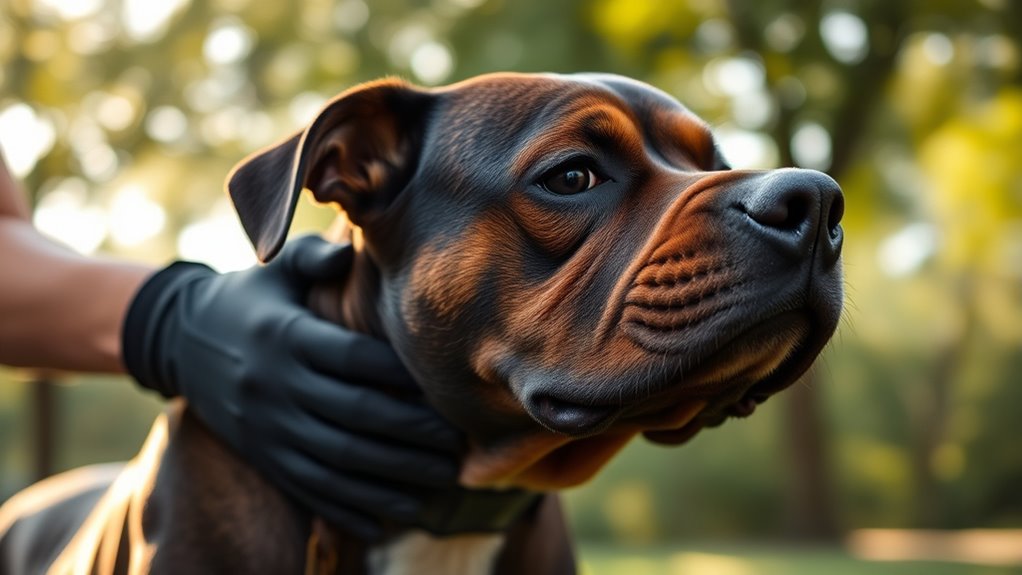
Yes, you can rehabilitate aggressive dogs by understanding that their aggression is often rooted in fear or anxiety, not dominance.
Recognizing early signs and seeking professional assessment helps identify triggers and tailor effective behavior modification techniques.
Using consistent positive reinforcement, desensitization, and establishing clear routines will build trust and calmness.
Managing safety is key throughout the process. Staying committed lets you help your dog progress toward safer, more stable behavior—explore how to support this journey successfully.
Understanding the Root Causes of Canine Aggression
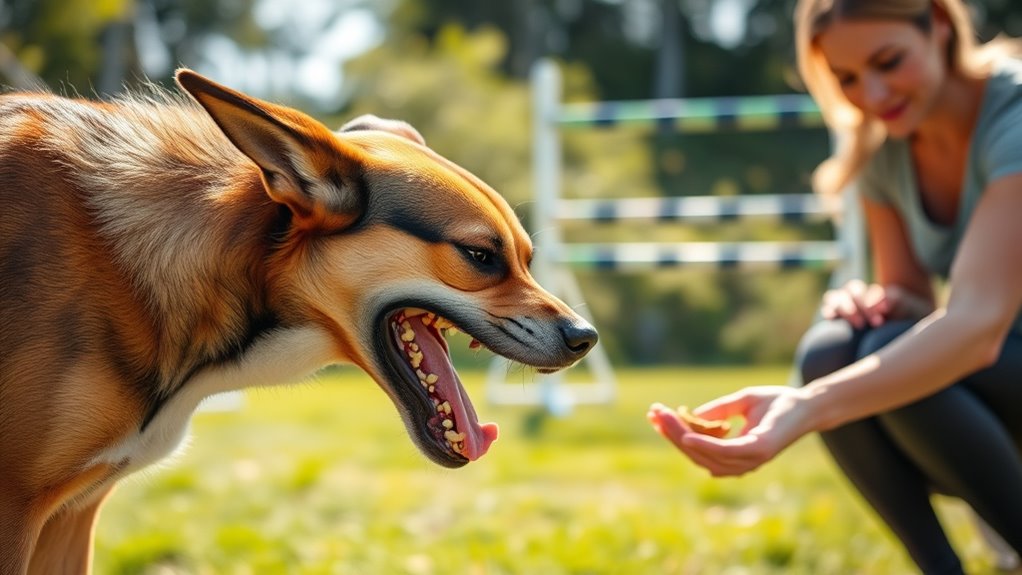
Although many people assume aggression in dogs comes from dominance, it usually arises from fear, anxiety, frustration, or past trauma.
When you encounter canine aggression, understanding the root causes is essential to helping your dog.
Often, aggressive behavior is a defensive response to perceived threats or resource guarding rather than a challenge to your authority.
Misreading these signs as dominance issues can prevent effective behavior modification.
Instead, focus on recognizing fear and stress signals, like body stiffening or avoiding eye contact, to address the real problem.
By identifying these emotional triggers, you can implement targeted behavior modification strategies that reduce anxiety and frustration.
This approach leads to a calmer, safer relationship with your dog.
Addressing root causes helps you rehabilitate aggression effectively.
Identifying Common Signs of Aggressive Behavior
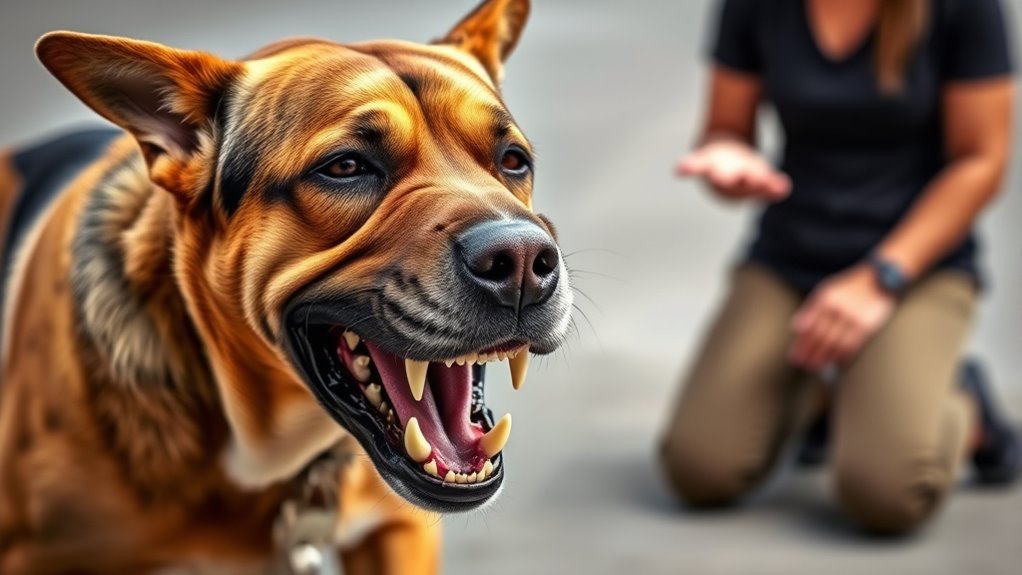
When your dog shows signs like growling, snapping, or lunging without warning, it’s crucial to recognize these behaviors as signals of aggression rather than just mischief.
Identifying aggressive behavior early helps you address issues before they escalate into serious dog bites or dangerous situations.
Watch for these warning signals:
- Stiff body posture, raised hackles, or intense staring, which often precede attacks.
- Growling or snapping near food or toys, indicating resource guarding.
- Overreactivity during walks, such as barking or lunging at other dogs or strangers.
- Sudden behavioral changes like increased jumpiness or unpredictability.
Recognizing these signs helps you manage your dog’s reactivity and keep everyone safe.
Don’t ignore these signals—they’re your dog’s way of communicating distress or discomfort.
The Importance of Professional Assessment and Evaluation
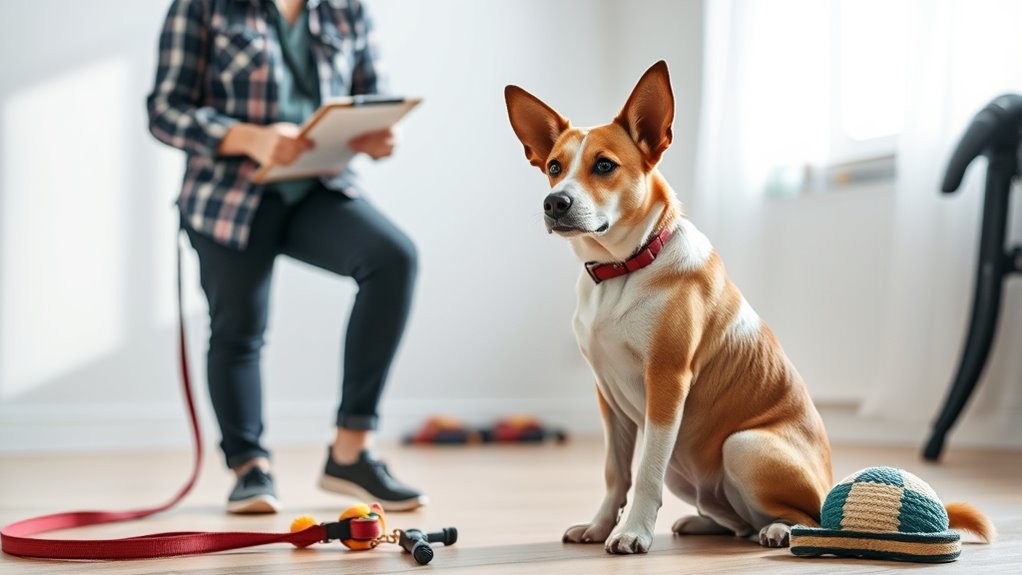
Because aggressive behavior can stem from various causes, you need a professional assessment to pinpoint the exact triggers and risks.
A thorough behavior evaluation by a veterinary behaviorist or certified trainer examines your dog’s body language, history, and environment to identify root causes.
Professionals use standardized tools to measure aggression severity and bite risk, ensuring safety.
This detailed understanding helps create a tailored rehabilitation plan that addresses your dog’s specific needs.
Early professional assessment markedly boosts the chances of successful rehabilitation while reducing dangers for both you and your dog.
Plus, ongoing evaluation allows adjustments to the plan as your dog progresses, making sure training stays effective and safe throughout the process.
Don’t skip this critical step if you want lasting results.
Behavior Modification Strategies for Aggression
To effectively reduce your dog’s aggressive behavior, you need a behavior modification plan that combines systematic desensitization with positive reinforcement.
This approach gradually exposes your dog to triggers in a controlled way, helping them stay calm instead of reactive.
Professional training programs tailor these plans to your dog’s specific needs, focusing on building trust and addressing emotional causes.
Key strategies include:
- Identifying and managing early warning signs to prevent escalation.
- Using desensitization to slowly reduce fear responses.
- Reinforcing calm, desirable behaviors consistently.
- Maintaining patience and commitment throughout the process.
It’s a journey, but with the right support, you can make significant progress!
Utilizing Positive Reinforcement in Training
You’ll want to reward your dog’s good behaviors consistently to build trust and encourage them to repeat those actions.
By gradually exposing your dog to triggers and praising calm responses, you can help reduce aggressive reactions over time.
Staying patient and steady with positive reinforcement makes all the difference in their progress.
Reward Desired Behaviors
When you reward your dog immediately after they show calm or non-aggressive behavior, you make it clear which actions you want repeated.
Positive reinforcement strengthens the link between desired behaviors and rewards, encouraging your dog to stay calm.
To effectively reward desired behaviors:
- Use treats, praise, or play as immediate rewards.
- Reinforce calm responses to reduce anxiety and aggression.
- Deliver rewards consistently to solidify learning.
- Focus on rewarding non-aggressive actions to shape behavior.
Consistency Builds Trust
Rewarding your dog consistently not only encourages calm behavior but also builds a foundation of trust between you and your pet.
When you use positive reinforcement regularly, your dog starts associating good behavior with rewards. This makes it easier for them to understand what you expect.
Consistency in commands and training sessions prevents confusion and reduces anxiety. This helps your dog feel safe and secure.
This steady approach strengthens the trust your dog has in you, encouraging them to repeat non-aggressive behaviors.
Data shows that dogs trained with consistent positive reinforcement develop lasting trust and improved behavior.
By maintaining routine and clear boundaries, you create an environment where your dog can confidently learn and grow.
This makes rehabilitation more effective over time.
Gradual Social Exposure
Although introducing your dog to new social situations can be challenging, doing so gradually helps reduce fear and reactivity.
Gradual social exposure involves slowly increasing your dog’s contact with triggers while using positive reinforcement to reward calm behavior. This method supports effective socialization and desensitization, helping your dog form positive associations.
To apply gradual social exposure effectively, you should:
- Start with low-level, non-threatening stimuli.
- Reward calm, appropriate responses consistently.
- Slowly increase exposure intensity as your dog stays relaxed.
- Remain patient and consistent throughout training.
Desensitization and Counterconditioning Techniques
You’ll start by gradually exposing your dog to triggers at a level that keeps them calm.
Reinforce positive behavior with treats or praise.
This steady approach helps your dog build new, positive associations with things that once caused aggression.
With patience and consistency, you’ll reshape their emotional response and reduce aggressive reactions over time.
Gradual Trigger Exposure
When you gradually expose your dog to triggers, you help reduce their emotional reaction by reinforcing calm behavior at each step.
This approach combines gradual exposure with desensitization and counterconditioning to reshape your dog’s emotional response.
You’ll start with low-intensity stimuli to avoid overwhelming your dog, then slowly increase exposure as they stay relaxed.
Key actions include:
- Introduce triggers at a distance where your dog remains calm.
- Pair triggers with treats or praise to build positive associations.
- Monitor your dog’s body language to gauge stress levels.
- Increase stimulus intensity only when calm behavior is consistent.
Positive Behavior Reinforcement
Building on gradual trigger exposure, positive behavior reinforcement uses desensitization and counterconditioning to reshape your dog’s emotional reactions.
Desensitization involves slowly exposing your dog to triggers at low intensity, paired with positive reinforcement like treats or praise to reduce fear and reactivity.
Counterconditioning replaces your dog’s negative associations with positive experiences, helping change their emotional response.
Start by presenting triggers at a distance where your dog stays calm, then gradually decrease the distance over sessions.
By rewarding calm, non-aggressive behavior consistently, you reinforce healthier reactions.
This approach is a cornerstone of aggression rehabilitation, proven to notably decrease aggressive responses and improve your dog’s emotional stability when applied systematically.
You’ll see progress as your dog learns to associate triggers with positive feelings instead of fear or aggression.
Establishing Consistent Routines and Boundaries
Since aggressive behavior often stems from anxiety and confusion, establishing consistent routines and clear boundaries can help calm your dog and reduce stress.
By creating a predictable environment, you enable your dog to feel safe and understand what’s expected, which is essential for improving behavior.
To establish consistent routines and boundaries, focus on:
- Feeding, walking, and playtimes scheduled regularly.
- Clear rules about acceptable behavior enforced consistently.
- Training sessions that reinforce boundaries and build trust.
- Daily interactions that maintain structure and predictability.
These steps promote emotional security and help your dog learn self-control.
Consistency in routines and boundaries enhances cooperation, reduces anxiety, and supports long-term behavior improvement, making rehabilitation more effective.
Managing Safety and Preventing Aggressive Incidents
Although managing aggressive behavior can be challenging, you can substantially reduce risks by using safety equipment like muzzles and secure leashes.
Confine your dog to safe spaces and avoid known triggers.
Implementing these safety measures is vital for aggression prevention and helps maintain security for both your dog and those around it.
Stay vigilant by recognizing early warning signs of aggression, such as stiff posture or growling, and adjust your approach accordingly.
Avoid confrontations and use environmental modifications to minimize stressors.
Regularly re-evaluate your safety strategies, especially after any escalation or bite incidents, to guarantee your dog’s environment remains secure.
Long-Term Management and Owner Commitment
Keeping your dog safe goes beyond immediate precautions—it takes steady effort and commitment over time.
Long-term management of aggressive dogs relies heavily on your owner commitment to consistent routines and vigilance. You’ll need to integrate safety precautions and effective training strategies into daily life to prevent incidents.
Key elements include:
- Monitoring your dog’s behavior regularly to catch early signs of aggression.
- Using safety equipment like muzzles or secure leashes during outings.
- Maintaining ongoing training strategies recommended by professionals.
- Scheduling regular follow-ups with a veterinary behaviorist to adjust management plans.
Even if complete behavioral normalization isn’t possible, these steps help keep your dog and those around them safe.
Your dedication makes all the difference in managing aggression long-term.
Frequently Asked Questions
How Long Does It Take to Rehabilitate an Aggressive Dog?
It usually takes you between 3 to 12 months to rehabilitate an aggressive dog, depending on severity and consistency.
You’ll need patience, professional help, and ongoing training to see steady progress and manage behavior long-term.
What to Do With an Aggressive Dog You Can’t Keep?
If you can’t keep an aggressive dog, consult a veterinary behaviorist for guidance.
They can help assess the situation and provide tailored advice.
Consider rehoming through specialized rescues or training facilities.
Always prioritize safety by using muzzles and secure enclosures until a proper solution is found.
This ensures both the dog’s safety and the safety of others around them.
Can Dog-On-Dog Aggression Be Cured?
You might wonder if dog-on-dog aggression can truly be cured.
While you can’t guarantee a complete fix, with early, consistent training and professional help, you can often transform aggression into manageable, even friendly, behavior over time.
When Should a Dog Be Put Down for Aggression?
You should consider putting a dog down for aggression when it poses a consistent safety risk, despite thorough behavioral interventions.
Professional assessments determine rehabilitation isn’t possible, prioritizing the safety of people and other animals.
Conclusion
You can help your aggressive dog by understanding their triggers, seeking professional guidance, and staying patient.
Using positive reinforcement is key.
Apply consistent routines and practice desensitization techniques.
Managing safety is crucial to prevent incidents, so always be prepared.
Commit to long-term care because rehabilitation takes time, effort, and love.
With dedication, you can transform aggression into trust, fear into confidence, and chaos into calm.
Remember, you’re not alone on this journey.
Rehabilitating an aggressive dog is possible, but it requires a comprehensive approach.
Focus on understanding your dog’s behavior, use positive methods, and be consistent in your training.
Over time, you can foster a safe and loving environment, ultimately leading to a happier, more balanced pet.
With patience and the right strategies, you can help your dog overcome aggression and build a stronger bond.