Can You Use Short Term Disability for Pregnancy Leave?
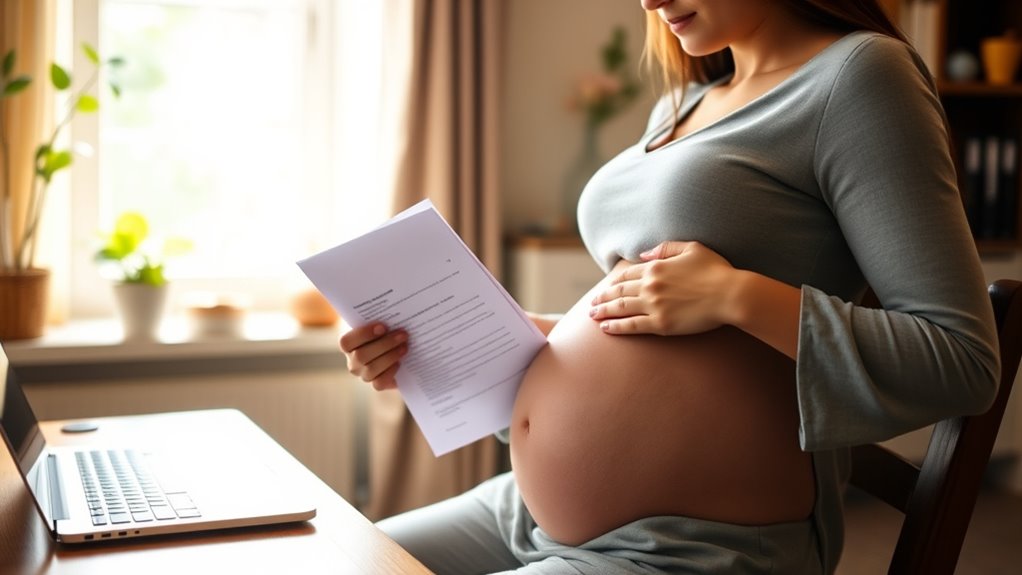
Yes, you can use short-term disability for pregnancy leave to receive partial income replacement during your medical recovery before and after childbirth.
It’s important to have your policy active before you become pregnant and provide the necessary medical documentation to file a claim.
Typically, benefits cover 50-70% of your income for about 6 to 8 weeks postpartum.
In some cases, this period can be extended if there are complications.
Keep in mind that coordinating your short-term disability with other leave options can enhance your overall support during this time.
Here’s more about how it all works.
Understanding Short-Term Disability Coverage for Pregnancy
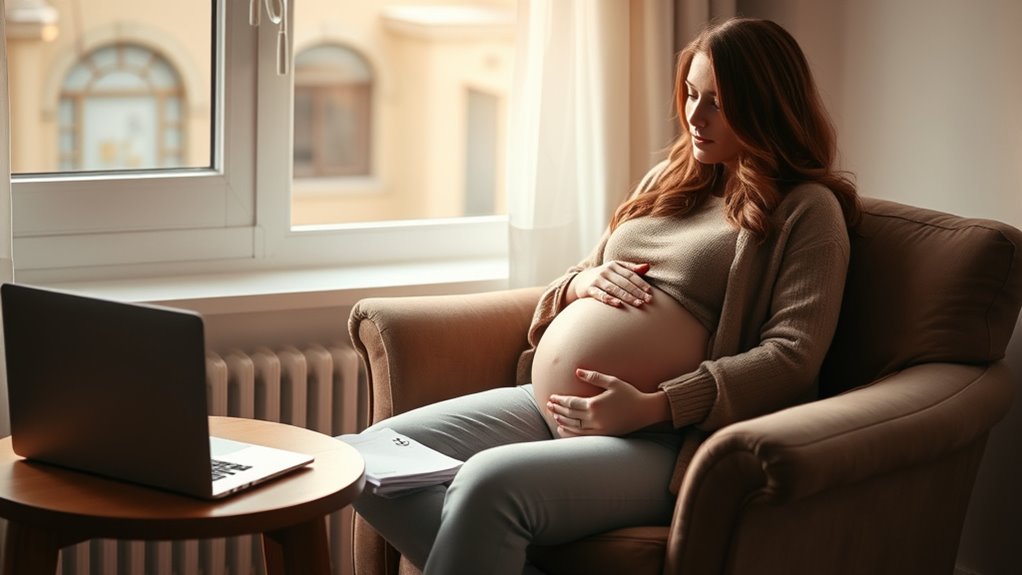
Although short-term disability insurance varies by policy, it generally provides partial income replacement during pregnancy-related medical conditions and postpartum recovery.
Short-term disability insurance typically offers partial income replacement for pregnancy-related conditions and postpartum recovery.
When you use short-term disability for pregnancy, your coverage typically begins after an elimination period, often around 14 days.
Benefits usually cover 50-70% of your income for 6 to 8 weeks following childbirth, depending on your policy terms.
To file a claim, you’ll need medical documentation from your healthcare provider confirming your inability to work due to pregnancy or postpartum complications.
Keep in mind, pregnancy is considered a covered disability only if your disability insurance policy was active before conception.
Understanding these key aspects of your short-term disability coverage helps guarantee you receive the benefits you’re entitled to during this important time.
Eligibility Requirements and Application Process
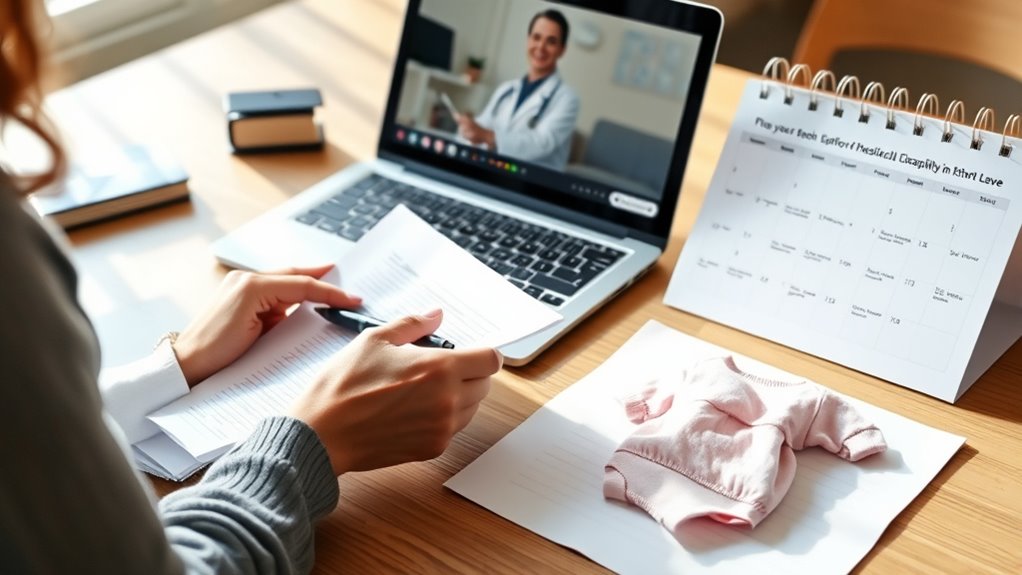
To qualify for short-term disability benefits related to pregnancy, you must have an active policy before conception.
Coverage obtained afterward may treat pregnancy as a pre-existing condition.
Meeting eligibility depends on several policy requirements, so start your disability coverage early to avoid issues with benefit eligibility.
The application process involves submitting claim forms and medical documentation confirming your need for pregnancy leave.
Keep these key points in mind:
- Provide medical certification from your healthcare provider.
- Submit claim forms within deadlines set by your insurer.
- Ensure your policy was active before pregnancy began.
- Include detailed medical documentation supporting your disability claim.
Following these steps carefully helps ensure a smooth application process and maximize your chances of receiving short-term disability benefits during your pregnancy leave.
Comparing Short-Term Disability to Other Leave Options
When you plan for maternity leave, understanding how short-term disability compares to other leave options can help you make informed decisions.
Short-term disability offers partial income replacement during pregnancy leave but typically requires medical documentation and prior eligibility enrollment.
Short-term disability provides partial income replacement during pregnancy but usually needs medical proof and prior enrollment.
Unlike FMLA, which provides job protection, short-term disability does not guarantee your position will be held.
However, combining short-term disability with FMLA can give you both income support and job security.
Benefits duration under short-term disability usually spans 6 to 8 weeks postpartum, depending on policy terms.
Knowing these distinctions allows you to navigate maternity leave effectively, ensuring you meet eligibility requirements and maximize the benefits available through both short-term disability and legal leave options like FMLA.
Financial Benefits and Duration of Coverage
Since short-term disability typically replaces 50-70% of your income, it can provide essential financial support during the 6 to 8 weeks after childbirth.
This period aligns with the typical benefit period for postpartum recovery, offering critical financial assistance when you need it most.
Keep in mind:
- Coverage duration varies by policy and may extend for pregnancy complications beyond routine childbirth.
- A waiting period, often around 14 days, usually applies before disability benefits begin.
- Medical certification is required to confirm your pregnancy-related disability and qualify for benefits.
- The payment percentage determines how much income you receive during your pregnancy leave under short-term disability.
Understanding these factors helps you plan for your pregnancy leave and manage your finances effectively during recovery.
Tips for Maximizing Your Maternity Leave Benefits
Knowing how short-term disability works during your pregnancy leave can help you get the most out of your benefits.
Understanding short-term disability during pregnancy leave ensures you maximize your benefits effectively.
First, enroll in short-term disability insurance well before pregnancy. Many insurance policies exclude pre-existing conditions, so it’s important to be proactive.
Make sure your policy covers pregnancy-related disabilities and understand any waiting periods or elimination clauses.
Submit detailed medical documentation promptly to speed up the claim process and extend your benefit coverage.
Also, coordinate disability benefits with other leave options like FMLA or paid family leave. This way, you can optimize income replacement and maintain job protection.
Keep thorough records of medical appointments, treatment notes, and insurer communications to avoid disputes.
By proactively managing these steps, you’ll maximize your maternity leave benefits.
This will ensure smoother access to disability benefits throughout your pregnancy.
Frequently Asked Questions
Can You Take Maternity Leave and Short-Term Disability?
Yes, you can take maternity leave and use short-term disability together.
Short-term disability covers your income during recovery, while maternity leave protects your job.
Just make certain your policy is active and you have proper medical documentation.
Is Pregnancy a Qualifying Event for Short-Term Disability?
Pregnancy is absolutely a qualifying event for short-term disability if your policy covers medical conditions.
You’ll need medical proof, and you must have coverage before pregnancy—
otherwise, it might feel like climbing Everest without gear.
Is Short-Term Disability Worth It When Pregnant?
Yes, short-term disability is worth it during pregnancy since it provides partial income replacement when you can’t work.
It offers financial security, especially with complications, and pairs well with FMLA for job protection during maternity leave.
Conclusion
Think of short-term disability for pregnancy as a safety net woven with care, ready to catch you when you need a pause to nurture new life.
By understanding its coverage and eligibility, you hold the key to turning this net into a soft landing.
Use it wisely to stretch your maternity leave, ensuring both your well-being and your baby’s first days bloom with the support they deserve.
In conclusion, short-term disability can be a valuable resource during pregnancy leave.
Knowing how it works and what you qualify for empowers you to make informed decisions.
By utilizing this option, you can enhance your maternity leave, prioritizing your health and your baby’s early moments.
Embrace this opportunity to create a nurturing environment, allowing both you and your little one to thrive.