
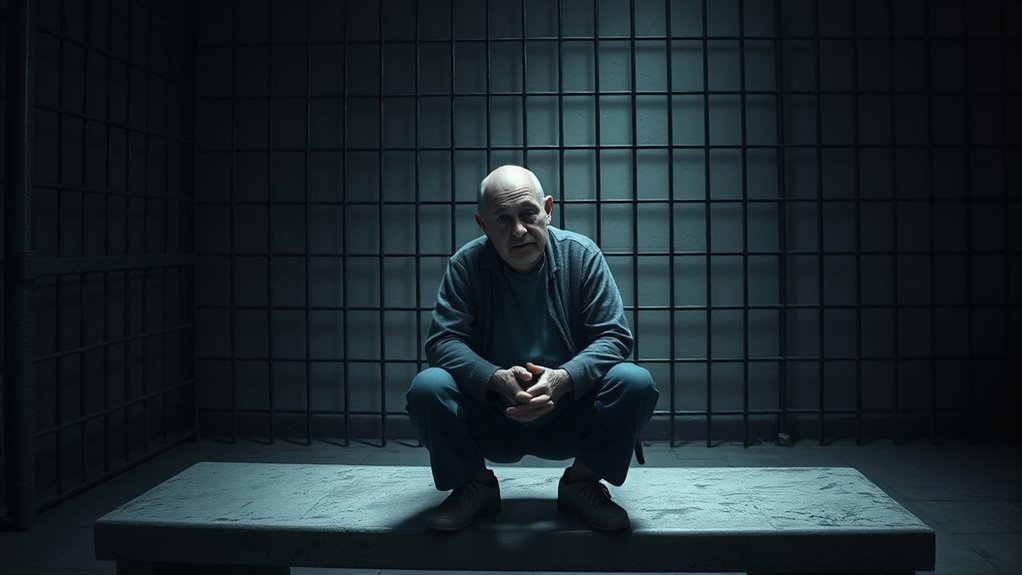
Why Is It a Bad Idea to Incarcerate Developmentally Disabled Adults?
You shouldn’t incarcerate developmentally disabled adults because jails and prisons aren’t equipped to meet their specific needs.
These facilities often lead to misinterpretation of their behaviors, and there’s a lack of proper accommodations.
This unfortunate reality increases the risks of abuse or neglect in these environments.
Many institutions treat jails like mental health facilities, but without the necessary resources, this approach only worsens their health and safety.
Instead, community-based support systems provide much better care and can significantly reduce repeat offenses.
By understanding these issues, we can see why exploring alternatives is so vital for their well-being and justice.
It’s essential to prioritize their needs in a more supportive and understanding environment.
Overrepresentation of Developmentally Disabled Adults in the Criminal Justice System
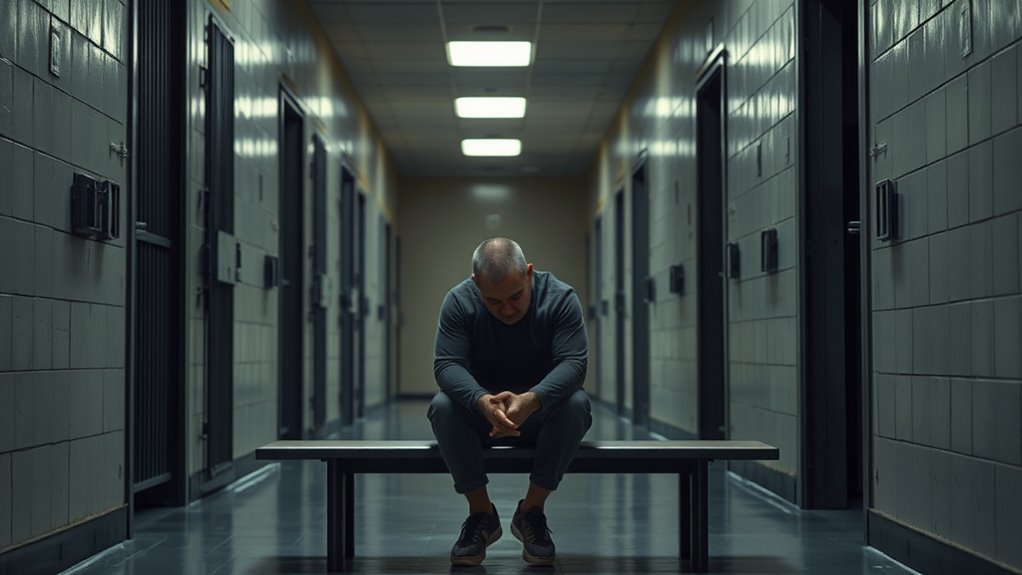
Why are developmentally disabled adults so disproportionately represented in prisons?
You’ll find that individuals with developmental disabilities make up roughly 4-10% of the U.S. prison population, far exceeding their presence in the general public.
This overrepresentation stems partly from systemic ableism within the criminal justice system, which often fails to recognize or accommodate their unique needs.
Many adults with developmental disabilities come from therapeutic settings, yet instead of receiving proper support, they face incarceration.
Without adequate screening protocols, these disabilities frequently go undiagnosed or misidentified, increasing the risk of unjust incarceration.
The criminal justice system often criminalizes behaviors linked to developmental disabilities rather than addressing underlying causes.
As a result, you see a troubling cycle where systemic failures push vulnerable individuals further into the prison system instead of toward appropriate care and support.
Challenges Faced by Developmentally Disabled Individuals During Police Encounters

Although you might expect police encounters to be straightforward, developmentally disabled adults often face unique challenges that increase their risk of misunderstanding and mistreatment.
During police interactions, officers frequently lack proper training to recognize developmental disabilities. This can lead to misinterpretation of behaviors as aggression or non-compliance.
Without appropriate accommodation, such as communication supports, these encounters can escalate unnecessarily. Sometimes, this results in the use of force.
This absence of disability awareness contributes to higher injury and arrest rates among individuals with developmental disabilities.
You should know that about 27% of officer-involved shootings involve people in mental health crises, including those with developmental disabilities. This highlights systemic failures.
Improving training and accommodations is essential to reducing mistreatment during police interactions.
Inadequate Accommodations and Barriers in Court Proceedings

When courts fail to provide necessary accommodations, individuals with developmental disabilities face significant barriers that hinder their access to justice.
You might encounter legal barriers like inaccessible communication methods or a lack of court accommodations such as interpreters and sign language services.
Many states don’t use effective screening, so developmental disabilities often go unrecognized, and overreliance on flawed IQ tests leads to inaccurate assessments.
Ineffective screening and reliance on flawed IQ tests result in many developmental disabilities going unrecognized.
Without proper supports, your legal rights can be overlooked, resulting in unfair treatment or exclusion from proceedings.
The Americans with Disabilities Act requires accommodations, but courts frequently fall short, making it harder for you to participate fully.
To protect your rights, courts must implement effective screening and ensure accessible communication tailored to your needs.
The Use of Jails as Improper Mental Health Facilities
Because jails lack the proper resources and trained staff, they often serve as inadequate substitutes for mental health facilities. This situation puts developmentally disabled adults at serious risk.
When you’re confined in jails during pretrial detention without proper assessments, you might face prolonged incarceration despite no charges.
Most jails aren’t equipped to provide effective mental health treatment, leaving you vulnerable to neglect and worsening conditions.
Suicide rates are alarmingly high, with 91% of jail staff acknowledging that mentally ill inmates need suicide watches—something rarely implemented adequately.
Using jails as mental health facilities ignores your unique needs and increases the chances of abuse and neglect.
This misuse worsens health crises instead of offering the care developmentally disabled adults desperately require.
Health Risks and Isolation Experienced in Prisons
Jails often fail to meet the mental health needs of developmentally disabled adults, but the dangers don’t stop there.
You face severe health risks in prisons due to inadequate medical care and extended isolation.
Solitary confinement, often used for inmates with disabilities, worsens mental health and physical well-being.
Isolation in prisons deepens loneliness, triggering crises.
Over 90% of jail staff recognize the urgent need for suicide watches for these vulnerable inmates.
Without proper accommodations, health emergencies become common and sometimes fatal.
| Issue | Impact |
|---|---|
| Medical Care | Worsening health conditions |
| Mental Health | Increased crises and loneliness |
| Solitary Confinement | Psychological and physical harm |
| Isolation | Heightened health risks |
Vulnerability to Abuse and Neglect in Correctional Settings
You need to understand that developmentally disabled adults face a higher risk of violence in correctional settings.
Staff often lack the training to recognize or address these dangers effectively.
Without proper awareness, abuse and neglect can go unnoticed and unchallenged.
Increased Risk of Violence
Although correctional facilities aim to maintain order, inmates with developmental disabilities face a heightened risk of violence and abuse due to their vulnerability and difficulty defending themselves.
The prison environment’s sensory overload—bright lights and loud noises—can increase agitation, making you more susceptible to victimization.
Many developmentally disabled inmates struggle with abuse reporting, allowing violence to continue unchecked.
Correctional staff training often falls short, leaving them ill-equipped to protect you from harm.
| Factor | Impact on Developmentally Disabled Inmates |
|---|---|
| Violence Risk | Increased due to vulnerability and poor defense |
| Sensory Overload | Heightens stress and aggression |
| Abuse Reporting | Underreported, prolonging victimization |
You face a much higher violence risk in prison than other inmates.
Insufficient Staff Awareness
Because many correctional staff don’t receive proper training, they often miss the signs of developmental disabilities. This leaves you vulnerable to abuse and neglect.
Insufficient staff awareness means that screening protocols fail to identify inmates with developmental disabilities. As a result, you’re denied essential inmate protection.
Overreliance on IQ tests and flawed screening methods contribute to this under-identification. This exposes you to exploitation and physical or sexual abuse.
Without extensive staff training, correctional facilities can’t recognize your specific needs or ensure your safety. This leads to systemic neglect.
When staff lack understanding of developmental disabilities, they overlook warning signs of abuse. Unfortunately, they also fail to intervene effectively.
To protect you from harm, correctional systems must improve staff awareness. They need to implement better screening protocols that adequately identify and support inmates with developmental disabilities.
Lack of Appropriate Medical and Educational Support in Prisons
When prisons fail to provide adequate medical and educational support, developmentally disabled adults suffer greatly.
Many facilities lack the necessary medical resources and trained staff to address their unique healthcare needs.
Facilities often lack the medical resources and trained staff to meet unique healthcare needs.
Without proper prison accommodations, these individuals often miss out on essential educational support and specialized treatment.
Over 80% of jails report that mentally ill prisoners, including those with developmental disabilities, require suicide watches.
This highlights the severe gaps in mental health treatment.
Less than half of U.S. jails can offer specialized care tailored to developmentally disabled inmates.
This absence of appropriate services not only jeopardizes their mental and physical health but also increases the risk of neglect and mistreatment.
You can see that incarceration without proper support fails to meet the basic needs of developmentally disabled adults.
The Importance of Community-Based Alternatives and Support Services
You can see how community-based care offers real benefits by addressing the root causes that often lead to incarceration.
When you support developmentally disabled adults with proper services, you reduce their risk of ending up in prison.
Focusing on community alternatives helps break the cycle and improves overall quality of life.
Community Care Benefits
Although incarceration often seems like the default response, community-based alternatives offer far more effective support for developmentally disabled adults.
When you rely on community support and trauma-informed care, you address the root causes of behaviors linked to disability instead of punishing them.
Community-based services such as outpatient treatment and peer support reduce recidivism by promoting stability during reentry.
Accessible healthcare and supportive housing in the community prevent the criminalization of disabled individuals and encourage social inclusion.
Policies that ensure seamless access to benefits like SSI, SSDI, and Medicaid upon release help you maintain stability and lower the chances of reoffending.
Reducing Incarceration Risks
Because community-based alternatives address the specific needs of developmentally disabled adults, they play an essential role in reducing incarceration risks.
When you rely on diversion programs and mental health courts, you redirect individuals away from jail and toward tailored community-based services that respect disability rights.
You’ll find that community support, like supportive housing and accessible healthcare, lowers recidivism by providing stability and ongoing care.
Investing in these services helps prevent the criminalization of developmentally disabled adults by offering early identification and accommodations.
Instead of prisons that lack appropriate care, community-based alternatives promote social inclusion and reduce reliance on the justice system.
Strategies to Promote Inclusion and Reduce Recidivism Among Developmentally Disabled Adults
When developmentally disabled adults receive proper community-based support instead of incarceration, they have a better chance at leading stable lives and avoiding repeat offenses.
You can help by advocating for community-based programs that provide tailored mental health, educational, and employment services.
Supportive housing plays an essential role in creating a safe environment that fosters independence and stability.
Diversion initiatives and specialized courts offer alternatives to incarceration, addressing the unique needs of developmentally disabled adults through inclusive services designed to promote understanding and rehabilitation.
These strategies contribute markedly to the reduction of recidivism by tackling root causes rather than punishment.
Frequently Asked Questions
Can People With Developmental Disabilities Go to Jail?
Yes, people with developmental disabilities can go to jail.
However, you should know that the system often misclassifies them.
Jails aren’t equipped to support their needs, which can harm their well-being and development.
How Does Incarceration Affect Disability Benefits?
Incarceration cuts your disability benefits like a sudden power outage, leaving you in the dark.
You’ll face financial chaos, delayed healthcare, and struggle to restart support systems.
This makes recovery and stability much harder afterward.
Can You Be Executed for a Crime if You Are Found Intellectually Disabled?
You can’t be executed if you’re found intellectually disabled, thanks to the Supreme Court ruling in Atkins v. Virginia.
It’s considered cruel and unusual punishment, so the death penalty is off the table for you.
Why Are Adults With Learning Disabilities at Risk of Abuse?
You’re at risk of abuse because you might struggle to communicate or understand your rights.
Staff often lack training to support you.
This makes it easier for others to exploit or mistreat you without proper protection.
Conclusion
You might be surprised to learn that people with developmental disabilities make up nearly 10% of the prison population—despite being only about 1-2% of the general public.
Incarcerating them often leads to greater harm, from health risks to abuse, rather than helping.
Instead, you should support community-based alternatives that offer proper care and reduce repeat offenses.
By choosing inclusion over punishment, you help create safer, more compassionate systems for everyone.
In conclusion, incarcerating developmentally disabled adults is not only unfair but also detrimental to their well-being.
Community-based solutions provide the necessary support and care, allowing individuals to thrive.
By advocating for these alternatives, we move towards a more inclusive society, reducing recidivism and promoting safety for all.
Let’s prioritize compassion over punishment and work together for a better future.