

What Is a Passive Disabling Device and How to Use It
A passive disabling device is an essential security feature that automatically prevents your vehicle from starting without any extra effort from you.
It operates silently by cutting off the ignition or fuel supply as soon as you turn off and remove the key.
If an unauthorized code is detected, it blocks the engine from operating, ensuring your vehicle remains secure.
These devices are often built into many modern cars or can be installed professionally aftermarket.
Using a passive disabling device not only enhances your vehicle’s security but can also help lower your insurance costs.
It’s a smart investment that protects your car and saves you money effectively.
Explore more to discover how these devices can provide peace of mind and financial benefits.
Definition and Purpose of Passive Disabling Devices

What makes passive disabling devices essential in vehicle security?
Because they automatically prevent unauthorized engine start without any action from you, passive disabling devices offer seamless vehicle protection.
These automatic systems engage engine disablement by cutting off critical functions like ignition or fuel supply once you remove the key.
Using electronic recognition methods such as immobilizers or coded key fobs, they ensure only authorized users can start the vehicle.
This key recognition technology plays a crucial role in theft prevention by blocking engine operation when the correct code isn’t detected.
Since you don’t have to activate them manually, passive disabling devices provide constant, reliable security that protects your vehicle from theft effortlessly.
Their integration into modern vehicles makes them a cornerstone of effective vehicle security systems.
Common Types of Passive Disabling Devices

Although passive disabling devices work behind the scenes, they come in various forms designed to stop theft effectively.
You’ll find factory-installed immobilizers that use unique transponder chip codes to prevent unauthorized engine starts.
Aftermarket kill switches discreetly interrupt critical electrical circuits, like the starter or fuel pump, activating automatically when you lock your vehicle.
Fuel pump disablers stop fuel delivery, immobilizing the car and often integrating with broader security systems for enhanced protection.
Starter disablers block engine turnover, even if someone tries hot-wiring, offering solid passive anti-theft defense without any driver input.
Some smart passive disabling devices link to smartphones or GPS, letting you remotely disable your vehicle if suspicious activity arises.
Understanding these common passive disabling devices helps you choose the right setup to keep your vehicle secure.
How Passive Disabling Devices Function Automatically
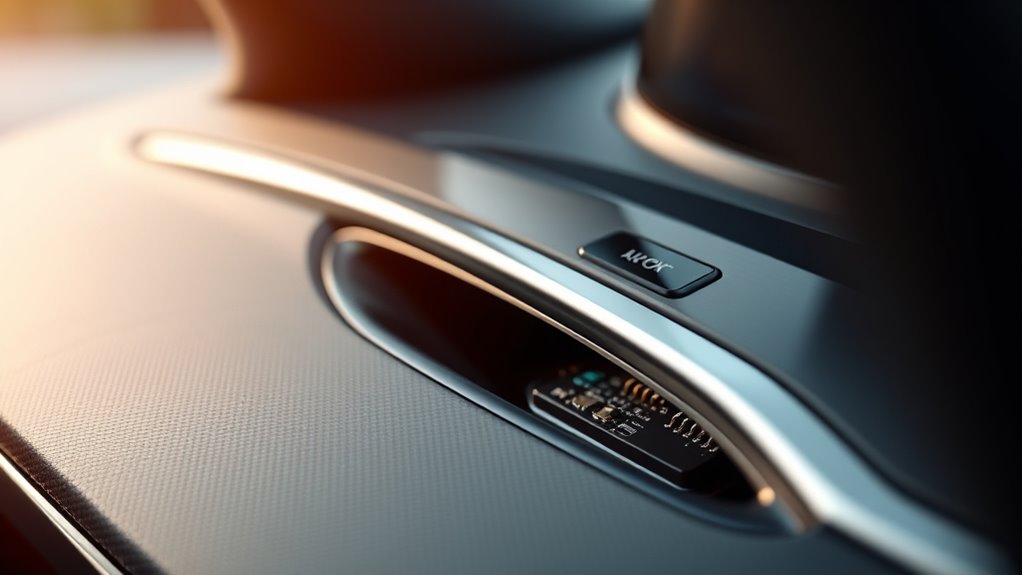
When you turn off your vehicle and remove the key, passive disabling devices kick in automatically within seconds.
They block essential circuits like the ignition or fuel pump.
This automatic protection interrupts key electrical circuits in the ignition system or fuel pump, preventing the engine from starting without your authorized keys.
These devices recognize unique codes from your key or fob, enabling seamless background activation that requires no manual input.
They detect unique key codes and activate automatically, requiring no action from you.
By halting engine start attempts when unauthorized access is detected, passive disabling enhances vehicle security effectively.
This engine start prevention works quietly behind the scenes, ensuring your vehicle remains protected at all times.
You don’t need to do anything—the system activates automatically to keep your car secure without extra effort on your part.
Benefits of Using Passive Disabling Devices in Vehicles
You’ll appreciate how passive disabling devices automatically block unauthorized engine starts, making theft much harder.
Plus, they can lower your insurance premiums by reducing the risk of vehicle theft.
Let’s explore how these benefits can protect both your car and your wallet.
Theft Deterrence Advantages
How can you effectively reduce the risk of vehicle theft without extra effort?
Passive disabling devices offer a seamless solution by automatically activating when you turn off and lock your vehicle.
These anti-theft devices enhance vehicle security by disrupting critical circuits like the ignition, fuel pump, or starter, effectively preventing car theft.
With an engine disable feature integrated into passive alarm systems, your vehicle becomes a tough target.
This deters criminals before they even try.
This security system works quietly in the background, providing constant vehicle protection without any action needed from you.
Insurance Cost Reduction
Beyond improving security, passive disabling devices can also save you money by lowering your insurance premiums.
As a vehicle owner, installing passive anti-theft systems like immobilizers reduces theft risk, making you eligible for insurance discounts.
Insurers often offer up to 20% off for cars with factory-installed disabling devices.
These passive security features not only qualify you for lower premiums but can also reduce deductibles and improve coverage terms.
Here’s how passive disabling devices benefit you:
| Benefit | Impact |
|---|---|
| Vehicle Theft Prevention | Decreases risk of theft |
| Insurance Discounts | Up to 20% off premiums |
| Lower Deductibles | Reduced out-of-pocket costs |
| Enhanced Coverage | Better insurance terms |
| Incentives from Insurers | Required or rewarded for coverage |
Using passive security saves you money and enhances protection.
Comparing Passive and Active Anti-Theft Systems
While both passive and active anti-theft systems aim to protect your vehicle, they operate in fundamentally different ways.
Passive anti-theft devices, like immobilizers, activate automatically without any driver input.
This provides continuous protection embedded within your vehicle’s electronics.
In contrast, active systems require manual engagement—using visible deterrents such as steering wheel locks or kill switches—to secure your car.
Passive disabling devices work silently in the background, making them harder for thieves to bypass.
On the other hand, active systems depend on your consistent use to remain effective.
For the best vehicle protection, combining these security measures offers a layered approach.
This strategy blends automatic activation with visible deterrents, significantly enhancing your defense against theft.
Identifying Passive Disabling Devices in Your Vehicle
Since passive disabling devices are often built into your vehicle’s factory security system, you can start by checking for indicators like immobilizers that recognize specific key codes.
Look for manufacturer markings or stickers inside your vehicle that highlight an anti-theft or immobilizer system factory installed by the maker.
Inspect under the steering column or dashboard for additional control units linked to vehicle security.
Don’t forget to examine wiring concealed behind panels or inside glove compartments, as hidden kill switches may be present.
For accurate identification, consult your owner’s manual or contact the manufacturer directly.
Impact of Passive Disabling Devices on Insurance Premiums
If your vehicle has passive disabling devices, you could qualify for insurance discounts since they lower theft risk.
Insurers often reward these security features with premium cost savings, sometimes cutting rates by up to 20%.
Make sure to provide proof of installation to maximize your chances of getting these benefits.
Insurance Discounts Eligibility
Because passive disabling devices enhance your vehicle’s theft protection, insurance companies often reward you with discounts on premiums.
When your car features certified immobilizer systems or other passive anti-theft systems, you become eligible for insurance discounts that reflect the reduced risk of vehicle theft.
Studies indicate these devices contribute to a 20-30% claims reduction, encouraging insurers to offer premium reductions ranging from 5% to 15%.
To qualify, your passive disabling device must meet specific certification standards and be recognized by your insurer as a valid security feature.
Theft Risk Reduction
When your vehicle has passive disabling devices installed, insurers often view it as a lower theft risk and reward you with reduced premiums.
These passive anti-theft systems enhance vehicle security by automatically disabling key components, serving as an effective theft deterrent.
This theft risk reduction means your car protection is stronger without any extra effort on your part.
Insurance companies recognize the value of vehicle theft prevention, often offering insurance discounts of 10-20% for vehicles fitted with approved passive disabling devices.
This not only lowers your premiums but can also improve your claims history by reducing theft-related claims.
Whether for personal use or commercial fleets, integrating these anti-theft systems influences insurers’ risk assessments.
This makes insurance coverage more favorable and affordable due to the proven effectiveness of passive disabling devices.
Premium Cost Savings
Since passive disabling devices substantially lower your vehicle’s theft risk, insurers often reward you with reduced premiums.
Installing certified passive anti-theft systems not only enhances vehicle security but also makes you eligible for insurance discounts.
These disabling devices can cut insurance premiums by 10-20%, saving you hundreds or even thousands over time.
Insurance providers see passive disabling devices as cost-effective tools that reduce vehicle theft claims, resulting in lower premiums for you.
| Benefit | Impact |
|---|---|
| Reduced theft risk | Lower chance of claims |
| Insurance discounts | 10-20% off comprehensive |
| Certified anti-theft systems | Eligibility for rebates |
| Long-term savings | Hundreds to thousands saved |
| Enhanced vehicle security | Peace of mind |
Using passive disabling devices means you pay less for protection.
Best Practices to Maximize the Effectiveness of Passive Devices
To maximize the effectiveness of passive disabling devices, you should regularly update your vehicle’s firmware or security software. This keeps the system resilient against hacking attempts.
Proper maintenance ensures that passive anti-theft devices perform reliably and continue to prevent theft.
Follow installation best practices by concealing wiring and components. This makes it harder for thieves to bypass your vehicle security.
Pair disabling devices with other security measures like GPS tracking and surveillance cameras. This helps build a layered defense for your vehicle.
Always follow proper activation and deactivation procedures, especially after repairs or modifications. This helps avoid vulnerabilities.
Consulting professional installers guarantees compatibility and seamless integration with your vehicle.
Frequently Asked Questions
What Are the Disadvantages of Passive Disabling Device?
You’ll find passive disabling devices can be bypassed by skilled thieves using hacks or physical methods.
They might fail if wiring’s faulty, don’t alert you during theft, and relying on them alone reduces your vehicle’s overall security.
It’s important to consider these drawbacks when evaluating your vehicle’s protection.
What Is an Example of a Passive Disabling Device?
An example of a passive disabling device is an engine immobilizer.
It stops your car from starting unless you use the correct key or fob.
This feature protects your vehicle automatically without any extra effort on your part.
How Do I Know if I Have a Passive Disabling Device?
They say, “Better safe than sorry.”
You’ll know you have a passive disabling device if your car only starts with a specific key or fob,
or you spot an immobilizer module near the ignition.
Check your manual too!
What Is Better, an Active or Passive Disabling Device?
You’ll find passive devices better for seamless protection and lower insurance,
but active ones deter thieves visibly.
Combining both gives you the strongest security,
so don’t rely on just one type if you want full coverage.
Conclusion
Think of a passive disabling device as an invisible shield protecting your vehicle without you lifting a finger.
By automatically preventing unauthorized use, it acts like a silent guardian, keeping your car safe day and night.
Using these devices not only deters theft but can also lower your insurance costs.
To get the most out of this quiet defender, make sure you understand its features and keep it well-maintained.
Your peace of mind depends on it.
In conclusion, a passive disabling device is a smart investment for your vehicle’s security.
It not only protects against theft but can also save you money on insurance premiums.
Understanding its features and ensuring proper maintenance will maximize its effectiveness.
With this silent guardian in place, you can enjoy greater peace of mind knowing your car is safer than ever.